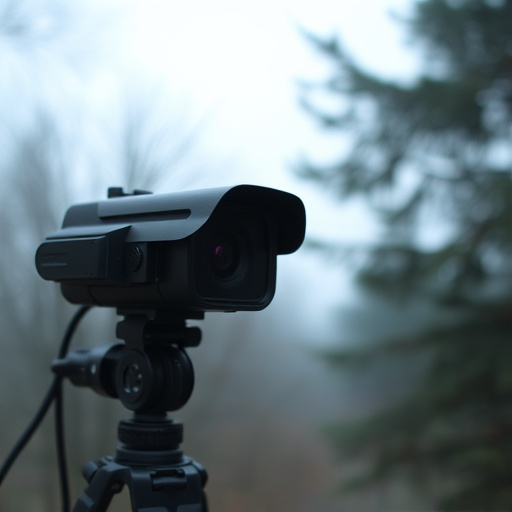
Electromagnetic signal analysis is key to optimal placement of indoor hidden security cameras, ensuring discreet surveillance without detection. By understanding unique device signatures, leveraging everyday objects for camouflage, and using EMF detectors, effective yet ethical camera positioning can be achieved while adhering to privacy regulations.
Uncover the unseen with our guide on surveillance device electromagnetic signal detection. Learn how to identify hidden security cameras through understanding electromagnetic signals, exploring common placement strategies, and mastering detection tools. From wireless routers to power adapters, we’ll equip you with the knowledge to spot indoor hidden security camera placements. Additionally, navigate ethical considerations as you explore this powerful self-defense mechanism in today’s tech-driven world.
- Understanding Electromagnetic Signals in Devices
- Common Hidden Camera Placement Strategies
- Detecting Signals: Tools and Techniques
- Ethical Considerations for Signal Detection
Understanding Electromagnetic Signals in Devices
Electromagnetic signals are an integral part of modern devices, including hidden security cameras used for indoor surveillance. Understanding these signals is crucial for effective camera placement and optimal performance. Each device emits unique electromagnetic signatures, which can be detected and analyzed to identify the presence and location of the device. This is particularly important when placing hidden cameras in strategic locations around your home or office to ensure comprehensive coverage without compromising aesthetics.
By recognizing the specific electromagnetic signals emitted by different types of security cameras, you can make informed decisions about where to position them for maximum effectiveness. For instance, understanding the signal range and interference from other electronic devices helps in selecting optimal indoor hidden camera placement spots, ensuring clear and uninterrupted video transmission.
Common Hidden Camera Placement Strategies
Hidden cameras, also known as surveillance devices, are often strategically placed to avoid detection. Common indoor placement strategies include discreet positioning near common areas like mirrors, light switches, and ceiling fans. These locations appear innocuous, making it easier for cameras to capture footage without raising suspicion.
Additionally, hidden security cameras might be integrated into everyday objects such as pictures frames, clock radios, or even fire alarms. Such creative placements take advantage of the human tendency to overlook these seemingly ordinary items, ensuring they remain unnoticed while providing constant surveillance.
Detecting Signals: Tools and Techniques
Detecting signals from surveillance devices, especially those hidden indoors, requires a strategic approach and specialized tools. One effective technique involves using electromagnetic field (EMF) detectors. These devices can pick up on the unique electromagnetic signals emitted by various electronics, including hidden cameras. By carefully positioning the EMF detector in areas where an indoor hidden security camera might be located—such as behind paintings or within false fire alarms—you can identify suspicious signals that may indicate its presence.
Additionally, signal strength and frequency analysis can provide further clues. Stronger signals could suggest a closer or more powerful surveillance device. Monitoring for sudden changes in signal intensity or identifying unusual frequency patterns can help pinpoint the exact location of the hidden camera. This process requires patience and precision, but with the right tools and techniques, it becomes possible to uncover these covertly placed devices.
Ethical Considerations for Signal Detection
When detecting electromagnetic signals from surveillance devices, it’s crucial to balance technological prowess with ethical responsibility, especially regarding indoor hidden security camera placement. While advanced signal detection tools can help uncover hidden cameras, their use must adhere to privacy laws and respect individuals’ right to consent. Unethical deployment of such technology can lead to a chilling effect on freedom of expression and personal privacy.
Professionals engaged in signal detection should prioritize transparency and obtain appropriate authorization before conducting surveys. This includes open communication with building owners or residents to ensure their comfort and avoid any misunderstanding. Ethical guidelines for indoor hidden security camera placement involve minimizing intrusion, respecting data protection regulations, and fostering a culture of trust between technology users and the community at large.
In the realm of hidden security cameras, understanding electromagnetic signals is a game-changer. By recognizing common placement strategies and employing advanced detection tools, you can navigate this intricate landscape. From understanding signal strengths to ethical considerations, this knowledge equips you with the tools to safeguard your privacy in today’s digital era. Remember that awareness is the first step towards securing your indoor spaces from unwanted surveillance.